
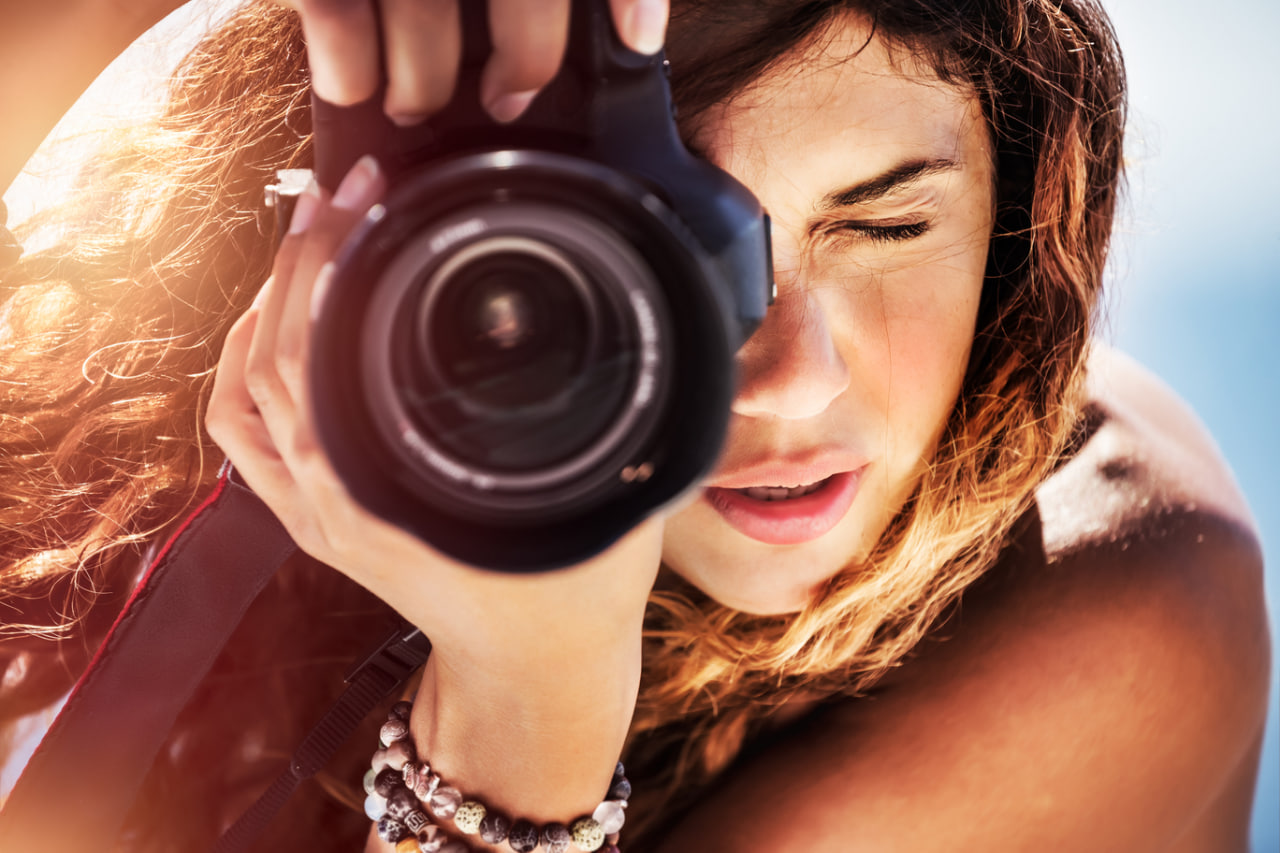
How to Take Better Photos Outside Using Natural Light
Natural light is the starting point for all photographers. Natural light shifts in brightness, angle and warmth throughout the day…
Natural light is the starting point for all photographers. Natural light shifts in brightness, angle and warmth throughout the day so it’s unpredictable, which can be both a blessing and a curse. Outdoor photographers, especially, need to know how to use natural light to create shadows and depth on objects, scenes and textures. A photographer with a great understanding of natural light can create images that appear deep, moody and real without hours of editing.
Light can be a background element for novice shooters, but a tool for creative expression for advanced photographers. Understanding the role of light, shadows, and reflections in your image is key for every photo.
Light Quality
Light is not created equal. The type of light impacts color, contrast and the general atmosphere of the image. Light can be hard or soft, directional or diffused, and understanding how to work with it is what turns snapshots into pictures.
Harsh Light
Overhead sunlight at noon causes deep shadows and hot highlights. While the contrast can be interesting, you may encounter unpleasant facial shadows or blown out highlights. Minimizing harsh light: Work in the shade, use a reflector, or tilt your subject to reduce the shadow.
SOFT LIGHT: Warm soft light can be found during the golden hour: early morning and late afternoon. Shadows are soft, colors deep and textures highlighted. Soft light is perfect for portraits, landscapes and any moment that needs a natural and appealing light.
The soft, diffused light on cloudy days is achieved by sunlight being scattered all over the cloud. It produces less contrast in the form of shadows and highlights, leading to more even exposures. Such conditions are ideal for creating even portraits, for photographing products outside, or for capturing a lot of detail in rugged terrain.
Direction and Angle: Setting up Your Shot
The orientation of the light source relative to the subject will dramatically affect the result. Light coming from the front will give a straightforward rendition of the subject. Light from the side will bring out depth and texture. Light from the back will show as a rim or silhouette.
Front-Light
When the sun is at your back, you will have flat, even lighting. This is terrific for capturing sharp details, but your image may appear somewhat two-dimensional. This is a good choice if you are looking for good color rendition and detail.
Side-Light
The second kind of light is side-light. As the name implies, this light comes from the side. It creates shadows that give the subject depth and texture. It is great for landscapes, buildings and portraits where depth and volume is desired. Side-light is also excellent for bringing out details such as the texture of stones, leaves, and ripples on the water.
Back-Light This position of the sun will give you a nice rim of light around your subject, or a silhouette. This is a good way to add drama and mood to your image. Be mindful of your exposure to ensure you don’t blow out the highlights, and if necessary incorporate a fill-light or reflector to bring detail into the shadows.
Here is a rewritten version of the text: Natural surfaces can be used as reflectors by placing them in front of the fill source. For example, a white card placed in front of a softbox becomes a reflector when positioned to reflect the light from the softbox onto the subject’s face.
Even when you’re shooting outside, you can still alter the light to suit your photo. Use a reflector to throw sunlight back onto your subject and decrease shadows and lighten dark spots. Also, use the natural reflectors like sand, snow, water, walls, etc., to create interesting effects.
In portrait photography, a white or silver reflector can be used to light up the subject’s face, without any need for artificial lighting. In landscape or wildlife photography, pay attention to any natural reflectors that help lighten the shadows. Managing these reflections helps to create an even exposure.
When to Take Photos for the Best Lighting
Lighting varies depending on the hour. Golden hour, blue hour, mid-morning, late-afternoon, etc, all have distinct qualities:
Golden Hour: This occurs just after sunrise and just before sunset. It is characterized by warm light, soft shadows and highlight. It is suitable for portraits and landscapes.
Blue Hour The hour before dawn and after dusk when the light is cooler and softer with a deeper blue sky. Perfect for capturing moody cities or landscapes with minimal contrast.
12:00pm – Noon
The light is overhead, shadows are dark, and the contrast is extreme. This is an excellent time for architectural photography and when the intensity of light and shadow add to your shot. Not ideal for people shots, as the light is unflattering.
You can control whether shadows and highlights are displayed for the selected objects.
Contrast is another thing to be mindful of when shooting outside. Too much contrast and you lose the details in your shadows and highlights, but too little and your image will be flat.
If you have a scene with very bright or very dark areas, you may need to adjust the exposure compensation. You may even want to bracket your exposures and combine them in post-production for an HDR (High Dynamic Range) image. Pay attention to where the shadows are and place your models where the light is not too harsh. This will help you avoid blown out areas and retain detail.
Nature contains a vast array of colors. Natural colors provide a more subtle tone compared to synthetic colors. Natural colors can also be used to improve the texture and feel of the hair. However, they can be difficult to mix and use. Natural colors are more expensive than synthetic colors. Natural colors are also less durable and may fade over time.
The color temperature and colorcast of the light also changes throughout the day. During the early morning and late afternoon, the light is more warm-toned, and in the middle of the day, the light is cooler, whiter. Being aware of this will help you adjust your white balance settings or set a custom white balance for your camera, or make adjustments in post-production if needed.
Adjusting white balance in camera or while editing the footage will assist you with obtaining natural colors. Tinker with warmer or cooler white balances to deliberately create a mood in your scene.
Light Patterns as a Tool for Creativity
When it comes to shadows, dappled light, and reflections, look for ways to include them creatively in your images. Interesting patterns made by leaves, fences, or water reflections can be used as frames or to add dynamic lines to your photographs. Simply being aware of these elements and making an effort to include them in your images will improve your outdoor photography.
The use of natural frames such as archways, tree limbs, and windows can also exploit the interplay of light and shadow. This is something that you need to play around with and pay attention to.
Consistency is key.
Always scout your location beforehand to get an idea of how the light will change throughout the day. Record what time the sun will be directly overhead, where it will be setting or rising, and if there are any reflective surfaces or obstructions.
For low light conditions, use a tripod and compose carefully. You may want to make a few test exposures to determine the best exposure, and then see how the shadows fall. You can move your subject or change your point of view until the light is to your advantage.
Practice, practice, practice: The more you go through your photos, the more you’ll understand what happens in different lighting scenarios in terms of exposure, color, and atmosphere. Eventually, it will become second nature to know when and how to control the light.